
Wood Hardscapes in Larkspur, CA
Novara builds custom wood hardscapes in Larkspur, CA, from decks and pergolas to fences and arbors, crafted to stand up to the Marin climate. Built for both the sun and the shade.
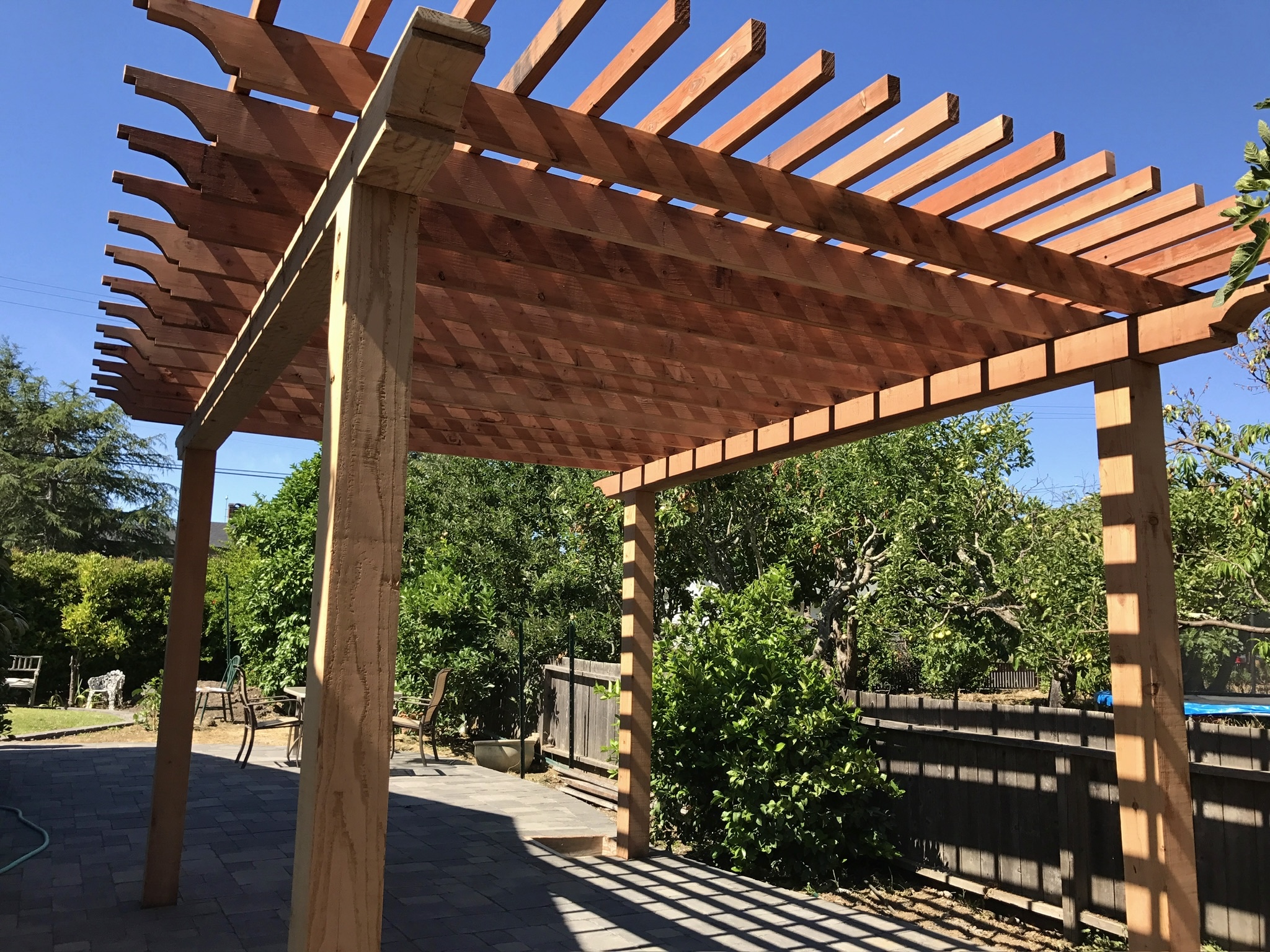
A Recent Novara Wood Hardscape Build in Larkspur


All Novara Services in Larkspur, CA
Every Novara service is built to work together. Browse our full range in Larkspur and combine what fits your property.

Full Outdoor Builds
Complete property transformations from 3D design through final installation.
Learn More →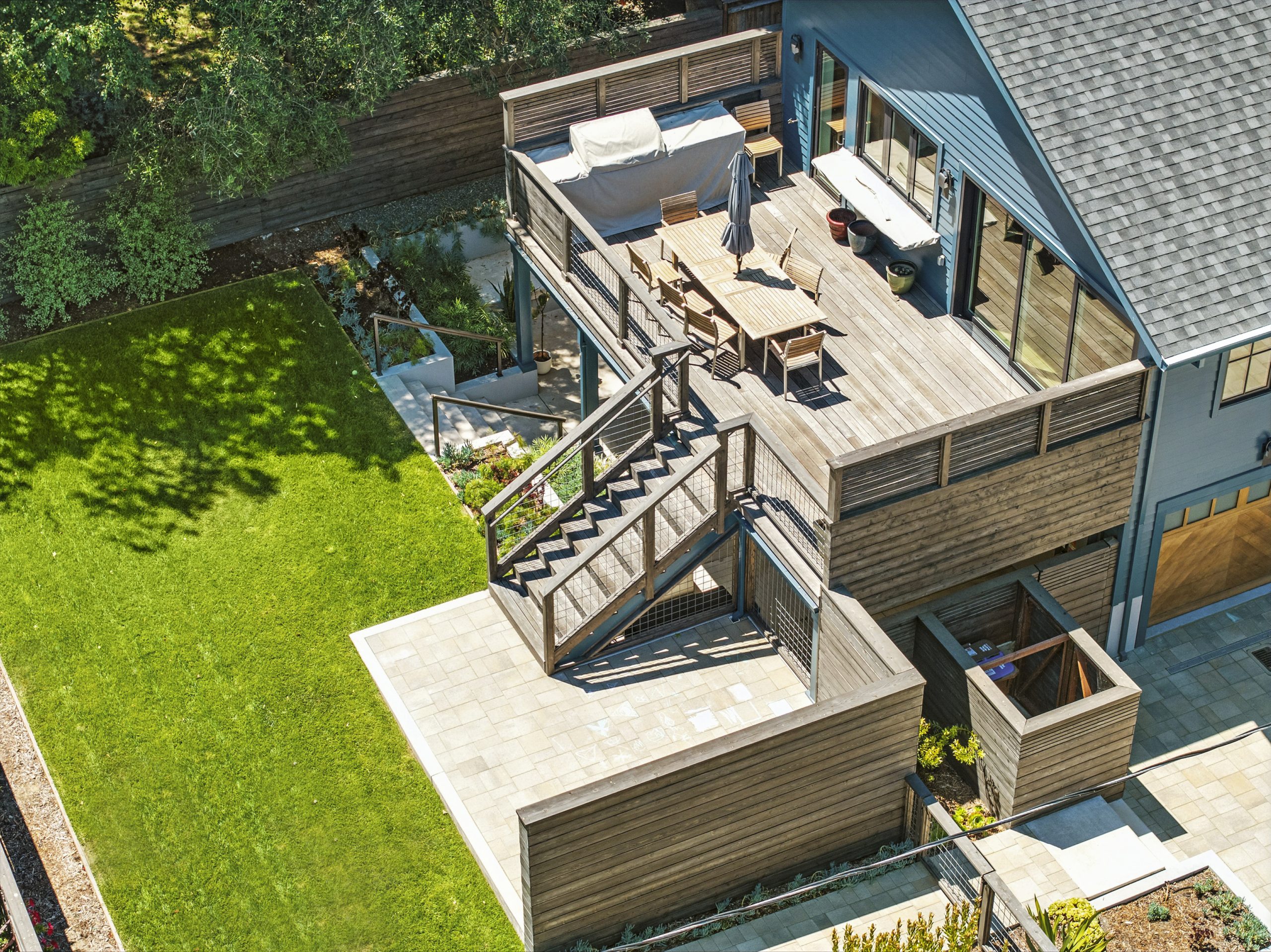
Patios
Natural stone, paver, and flagstone patios built on a proper base.
Learn More →
Retaining Walls
Engineered retaining walls in stone, block, and timber for sloped lots.
Learn More →
Driveways
Paver, concrete, and stamped driveways with proper drainage and grading.
Learn More →
Concrete
Concrete walkways, slabs, and foundations finished clean.
Learn More →
Planting and Softscape
Shade gardens under redwoods and water-wise planting for sunny lots.
Learn More →
Wood Hardscapes
Pergolas, fences, decks, and custom wood structures built to last.
Learn More →
Gardening
Ongoing garden care, seasonal planting, and property maintenance.
Learn More →
Irrigation and Lighting
Smart irrigation systems and low-voltage landscape lighting design.
Learn More →Real Reviews from Marin and Sonoma County Homeowners
Every Mill Valley project we build comes with a story. Here is what our clients say in their own words.




Wood or Composite Decking: Which Is Better for a Larkspur Home?
For a Larkspur home, composite decking offers the best low-maintenance durability, lasting 25 to 50 years with little upkeep, which suits shaded, damp redwood-canyon lots especially well. Natural wood gives a warmer, authentic look at a lower upfront cost, but needs regular sealing to resist moisture, shade, and sun. The right choice depends on where your home sits and how much upkeep you will do.
Wood wins on feel. Nothing manufactured matches real grain, it stays cooler underfoot on a hot afternoon, and it costs less to install. The commitment is ongoing. Softwood decking wants stain or sealer every two to three years, and depending on species you are looking at ten to twenty-five years before major boards need replacing.
Premium wood changes that calculation. Heart redwood and western red cedar are naturally rot-resistant and grown on this coast, which gives them a real advantage in a damp setting. Ipe is denser than either, dense enough to dull saw blades, and it can run decades on occasional oil alone.
Composite costs more upfront and asks for almost nothing after. It does not rot, insects ignore it, and maintenance is essentially washing it. Twenty-five to fifty years is realistic. The honest downsides are heat retention in direct sun and the fact that up close it still reads as manufactured rather than grown.
Here is where Larkspur gets interesting, because this town has two deck environments that fail wood in completely opposite ways, and the right answer genuinely depends on which side of town you are on.
In Baltimore Canyon and Madrone Canyon, moisture is the enemy. A deck in deep redwood shade stays damp for days after rain, almost never gets the direct sun that dries a surface, and collects needle and leaf fall year-round. Untreated softwood in that setting grows algae, holds moisture against the fasteners, and begins rotting from the underside where nobody is looking. Composite is the straightforward answer for most canyon decks, and when a client wants real wood there we push toward heart redwood, cedar, or ipe and make the sealing schedule an explicit part of the conversation rather than a footnote. Airflow under the deck matters more in a canyon than almost anywhere, because a deck framed tight to damp ground never dries out.
On the ridgelines through Hillview and Greenbrae, and on the sunny flats near downtown, the enemy flips entirely. Larkspur sits at the base of Mount Tamalpais in a largely sunny pocket, and sustained ultraviolet exposure bleaches color out of redwood and cedar within a couple of seasons. UV dries the surface faster than the interior and opens the checking that lets water in when winter finally arrives. On those lots the sealing schedule is driven by sun rather than damp, and lighter composite colors matter because a west-facing deck in August gets genuinely hot underfoot.
That contrast is why a single blanket recommendation for Larkspur decking is wrong. The same board that fails from damp in a canyon fails from UV on a ridgeline, and the finish schedule, the species choice, and even the framing details should differ between them.
On hillside lots an elevated deck is a structural project before it is a finish project. Footings have to reach proper bearing on a slope, the ledger connection to the house has to be flashed and fastened correctly, and drainage has to carry water away from the framing rather than into it. Where the grade underneath needs holding, that work pairs with engineered retaining walls.
For the homes with Mount Tamalpais views, a deck is what makes the view usable. It pushes the living space out past the walls of the house toward the thing you bought the property for.
We build all of it the same way regardless of material or microclimate. Posts on concrete piers, never buried in soil. Galvanized or stainless hardware, never plain steel that bleeds rust down your boards. Structural fasteners at the joinery. Sealed end grain on every exposed cut, because end grain is where water enters once the surface has opened.
A deck also rarely lives alone. It usually steps down to patio hardscape or ties into the rest of the outdoor plan, which is why decks so often get designed as part of a full outdoor build where the transitions get drawn rather than improvised on site.
The right answer comes down to where you live, the look you want, and the upkeep you will realistically do. We build both wood and composite, so there is nothing we need to talk you into. Thirty years on Marin terrain, California C-27 license number 1134876, fully insured, two-year workmanship warranty on every structure.
How Novara Builds Wood Hardscapes in Larkspur
-
Site Survey and 3D Design
We measure the space, read sun exposure, shade, and the view line, then design the structure in 3D so you see proportion and detail before we build.
-
Material Selection and Permits
Microclimate drives the material here. Composite or premium wood for damp canyon lots, UV-rated finishes for sunny ridgelines. We pull every permit before we cut a board.
-
Foundation and Framing
Posts set on concrete piers, never in soil. Corrosion-rated hardware. Framing detailed for airflow underneath, which matters most on shaded lots.
-
Finish and Sealing
Exposed wood sanded smooth, end grain sealed, finish matched to sun or shade exposure. Two-year warranty activated with your refinish schedule.
Why Larkspur Homeowners Trust Novara for Wood Hardscapes
30 Years
Building since 1998
Sun and Shade
Spec'd per exposure
Licensed C-27
#1134876 California
2-Year Warranty
On every structure
Wood is the most beautiful material we work with and the one Larkspur attacks from two directions at once. On the sunny ridgelines and flats at the base of Mount Tamalpais, ultraviolet exposure bleaches color, dries the surface faster than the core, and opens the checking that lets winter rain into a board that looked fine in August. A few minutes away in Baltimore Canyon and Madrone Canyon, the opposite problem runs the show, where deep shade keeps a deck damp for days, needle fall holds moisture against the boards, and untreated softwood rots from the underside where nobody inspects. Most contractors pick one of those stories and apply it to the whole town, which is how a deck spec that works on a ridgeline fails in a canyon. The difference between a structure that lasts thirty years and one that fails in eight is the species, the grade, the joinery, the hardware, and a finish schedule built for the actual exposure. Novara has been building on this terrain since 1998, founded by Esteban Garcia and run today by his son Steven Garcia Ochoa. Posts get set on concrete piers, never buried in soil. Hardware is stainless or galvanized, never plain steel. The result is wood that ages beautifully instead of failing quietly.
Serving Larkspur and Marin County
Novara designs and builds across Larkspur and the surrounding Marin County communities. See everything we offer in your area.
View Larkspur Services →Larkspur Wood Hardscapes FAQ
How long have you built decks in Marin?
Thirty years. Novara was founded in 1998 by Esteban Garcia and is run today by his son, Steven Garcia Ochoa. This climate is what we have built in the entire time.
Are you licensed and insured?
Yes. California C-27 license number 1134876, with general liability and workers compensation coverage. You are welcome to verify the license before we start.
Do you build with wood and composite?
Both. Heart redwood, western red cedar, ipe, and the major composite lines. Which one we recommend depends heavily on whether your lot sits in sun or in canyon shade.
Can you build an elevated deck on a hillside or canyon lot?
Yes, and in Larkspur most decks are elevated. Footings reach proper bearing on the slope, the ledger is flashed and fastened correctly, and drainage and airflow move water away from the framing.
Do you offer free consultations?
Yes. We come to your Larkspur property, walk the space, read the exposure, and follow up with a 3D design preview and a written estimate.
Which lasts longer, wood or composite?
Composite, at 25 to 50 years with almost no upkeep, and the gap widens in a shaded canyon. Premium woods like ipe close much of it, and redwood or cedar run decades if you hold to the sealing schedule.
What is your warranty?
Two years on workmanship, covering structural integrity, joinery, and hardware connections. Wood naturally weathers and develops surface checking, which is the material behaving normally.
How do you protect a deck in a damp, shaded setting?
Species and finish rated for moisture, framing detailed so air moves underneath, drainage gaps between boards, sealed end grain on every cut, and a realistic cleaning schedule. A canyon deck framed tight to damp ground never dries, and that is what kills them.